Staying active is easier when you live in a community that makes it a priority. At The Village Senior Living, you have daily chances to move safely and connect with friends. This guide shows how to build safe movement into your day, what to try first, and how our team supports your goals across Independent Living, Assisted Living, Memory Care, and Respite Care. Use these tips to maintain balance, stay strong, and feel confident as you age.
What Is Active Aging?
Active aging means staying engaged, healthy, and physically active as you age. It’s about embracing life in your senior years by keeping your body moving, your mind sharp, and your social connections strong. Choosing to be physically active at any age is a beneficial decision for your overall well-being and can lead to numerous important health benefits. An active lifestyle in later years can help you maintain independence, improve your mood, and boost your overall quality of life.
Why Staying Active Matters for Seniors
Regular movement is one of the most important things you can do for your health as an older adult. Physical activity can prevent or delay many health problems that often come with age. Staying active has been linked to a lower risk of chronic diseases and conditions like heart disease, diabetes, dementia, and even some cancers. Exercise also strengthens your bones and muscles, which improves balance and reduces the risk of falls. This is critical because more than one out of four older adults falls each year. By moving more, you keep your legs strong and maintain better balance, which helps you stay steady on your feet.
Staying active isn’t just about physical health; it also greatly benefits mental health and mood. Seniors who get the recommended 150 minutes of weekly exercise often report sharper minds and better emotional well-being compared to those who are less active. Regular exercise can lift your spirits, reduce feelings of depression or anxiety, and help you sleep better at night. It’s also a natural energy booster. Many older adults actually feel less fatigued during and after being active because movement gives them more energy, not less.
Another significant benefit of an active lifestyle is that it enables you to live independently for a more extended period. When you build strength and endurance, everyday tasks (like carrying groceries or climbing stairs) stay easier to do on your own. Consistent exercise and safe movement keep you healthy and self-reliant as you age, allowing you to continue doing the things you enjoy with confidence.
How Much Exercise Do Older Adults Need?
Health experts, including the CDC and the National Institute on Aging, recommend that adults 65 and older engage in at least 150 minutes of moderate-intensity aerobic exercise per week, along with muscle-strengthening activities on at least 2 days per week. Moderate aerobic exercise includes activities such as brisk walking, dancing, or gardening. Any activity that gets your heart beating faster and makes you breathe a bit harder counts toward your goal. You don’t have to do it all at once. For example, you could walk for 30 minutes five days a week, or break it into even shorter 10-minute sessions throughout each day.
Additionally, include strength training twice a week and perform balance exercises regularly to help you stay strong and steady. And remember: any activity is better than none. If 150 minutes a week sounds like too much right now, start small and increase a little at a time. Even short periods of movement are beneficial.
Safe Movement Made Simple: Tips to Stay Injury-Free
Starting to exercise or moving more can feel intimidating, especially if you have been inactive or have health concerns. The key is to focus on safe movement, which means choosing activities and approaches that minimize the risk of injury. Here are some simple tips to help you stay safe while staying active:
- Take It Slow and Listen to Your Body: If you’re new to exercise or it’s been a while, begin with low-impact, gentle activities. It’s essential to increase your physical activity gradually over several weeks to months. For example, start with a 5 to 10 minute walk and gradually increase your time as you feel more comfortable. Pay attention to how you feel during and after the activity. A little muscle soreness is normal when you’re using muscles in new ways, but sharp pain is a sign to stop and rest. Always consult your doctor if you’re unsure about the level of activity that’s safe for you, especially if you have any chronic conditions or injuries.
- Warm Up and Cool Down: Begin each exercise session with a few minutes of easy movement to warm up your muscles and get your blood flowing. This could be gentle marching in place or arm circles. Warming up helps prepare your body and can prevent injuries or strains. After you finish exercising, cool down with slow movements and stretching. This allows your heart rate and blood pressure to return to normal gradually, and it can reduce stiffness.
- Focus on Balance: Incorporate balance exercises into your routine. Maintaining good balance is essential for active aging because it helps prevent falls. Simple exercises, such as standing on one foot, walking heel-to-toe along a line, can help improve your stability. Many community centers and senior living communities offer strength and balance classes designed for older adults. By regularly challenging your balance (safely, with support as needed), you’ll gain confidence in your footing. Improved balance means fewer falls and more freedom to move around without fear.
- Stay Hydrated and Don’t Overheat: Drink water before, during, and after exercise to avoid dehydration (which can cause dizziness). On hot days, try to be active during cooler hours or exercise indoors. If you feel lightheaded or very tired, rest and cool down.
- Consult Professionals When Needed: If you have specific health conditions (like arthritis, heart issues, or other chronic problems), talk to your doctor or a physical therapist about what types of exercise are best for you. They can provide personalized advice, allowing you to participate in active aging on your own terms. Many people find it helpful to join exercise classes geared toward seniors, where an instructor can ensure you’re using proper form. Always inform your doctor if you plan to start a new exercise program, especially if you have any existing medical conditions.
Making Active Aging Social and Fun
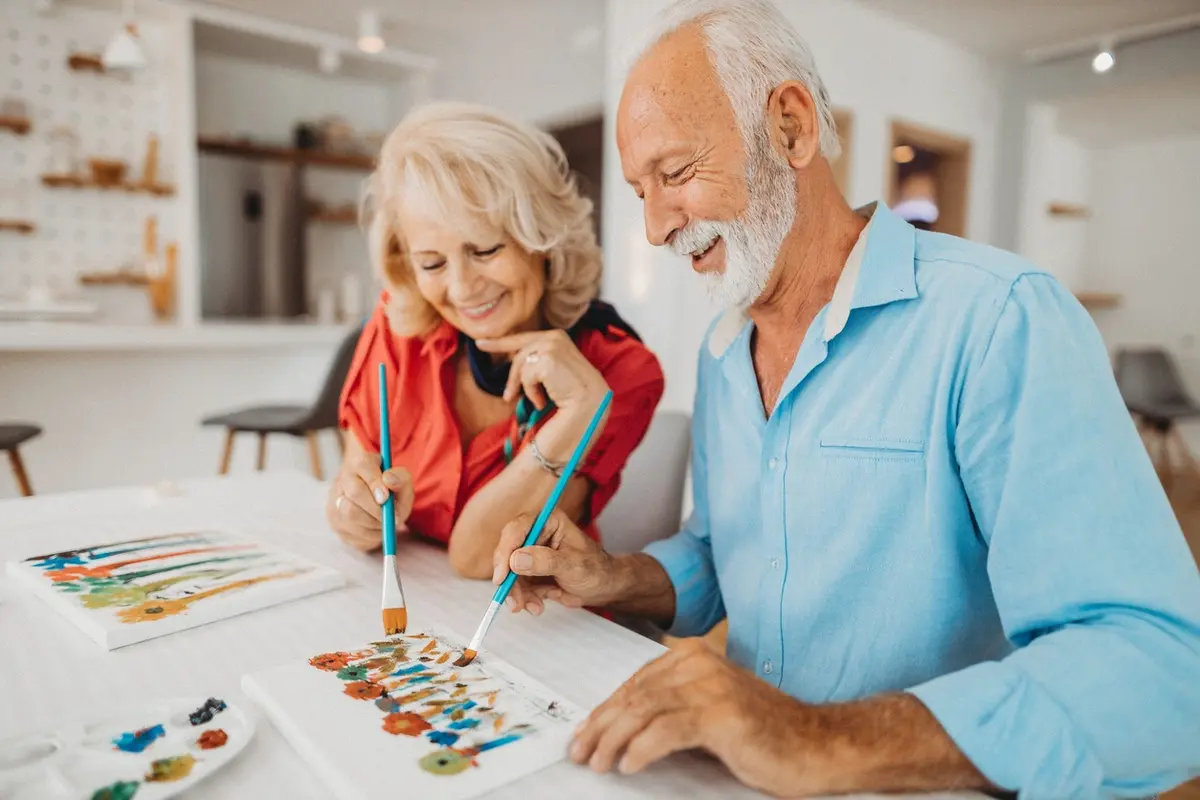
One of the best ways to stick with an active lifestyle is to make it enjoyable! Exercise doesn’t have to be a chore. It can be something you look forward to, especially if you involve friends, family, or a community group. Active aging in the community is all about staying social while staying active.
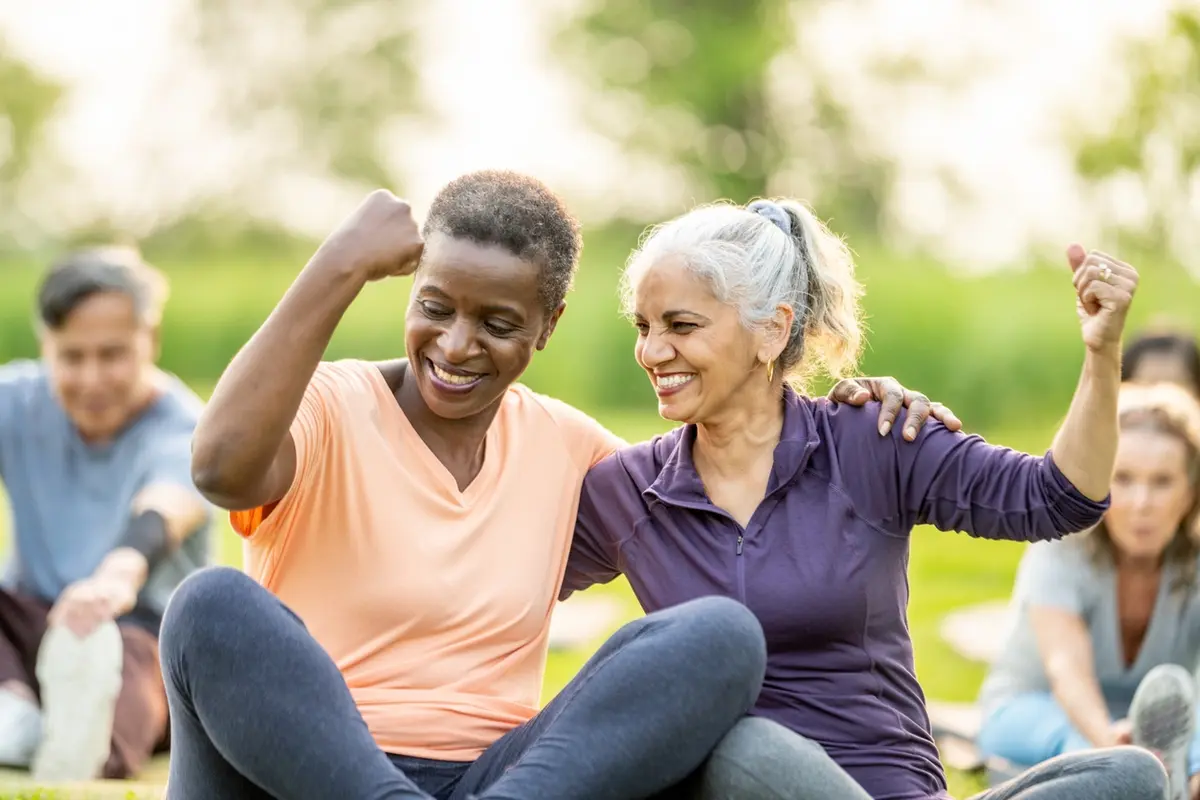
Consider joining group activities or classes. Many communities have senior centers, gyms, or Independent Living communities that offer exercise classes tailored for older adults. For example, The Village Senior Living hosts regular group exercise sessions, such as walking clubs, chair yoga, and strength-and-balance classes, for its residents. These group activities turn exercise into a fun, social event. Take a group walk around the neighborhood, try a water aerobics class, or dance to music from your era with friends. Being active together lets you catch up and laugh while you move.
Staying active in a group setting has another benefit: safety in numbers. If you need assistance or a modification, there’s someone nearby to help. Trained instructors in senior fitness classes will ensure that you perform movements correctly and safely. In communities like The Village, caring staff are also available to offer support or administer first aid if needed, providing you and your loved ones with extra peace of mind.
Simple Ways to Get Moving (That Anyone Can Do)
Safe movement can be fun and straightforward. Here are a few easy activities that can keep you moving:
- Walking is one of the most effective exercises for seniors. A daily walk, outdoors at a park or even indoors at a mall, helps improve cardiovascular health, strengthens your legs, and boosts your mood. You can walk solo or with a friend. Joining a walking group or a Walk Club (like the one at The Village) can turn a simple stroll into a social outing. Wear comfortable shoes and start with a short distance, gradually increasing if you feel able.
- Stretching and Flexibility Exercises: Gentle stretching or senior-friendly yoga keeps muscles limber and improves range of motion. Even seated stretches or chair yoga can help reduce stiffness. These activities also have a calming effect, helping to relieve stress.
- Strength Training: Using light dumbbells or resistance bands periodically helps you maintain and build muscle. Strong muscles make everyday tasks easier and protect joints. For example, doing chair stands (repeatedly standing up from a chair) or wall push-ups can improve strength. Begin with light resistance and focus on maintaining proper form as you gradually increase the load.
- Balance Exercises: Balance is critical. Aside from dedicated balance workouts, practicing activities like standing up from a chair without using your hands or walking heel-to-toe in your hallway are effective ways to train your balance. Some community exercise programs incorporate balance drills into every class. Improving your balance will enhance your confidence in navigating your surroundings.
Remember, the best exercise is the one you enjoy and will do consistently. Active aging is about discovering activities that bring you joy and fulfillment. Whether it’s gardening, playing with your grandkids, dancing to your favorite music, or even doing household chores with a bit of extra pep, it all counts as physical activity. Try a variety of activities to see what you love most, and mix things up to keep it interesting.
Overcoming Common Barriers
It’s normal to face some obstacles on your path to staying active. Many seniors worry about things like: “What if I get hurt?” or “I haven’t exercised in years, this is too hard.” Let’s address a few common concerns and how to overcome them:
- Fear of Falling or Injury: It may seem safer to sit still if you’re afraid of falling, but inactivity can actually increase your fall risk. Weak muscles and poor balance, resulting from a lack of movement, increase the likelihood of falls. The solution is to start with safe, gentle exercises and build strength and balance over time. You can hold onto a chair for support during balance exercises. As you become stronger, your confidence will grow, and your risk of falling will decrease. If you’re very worried, try exercising in a supervised setting (for example, an Assisted Living group class) where help is available.
- Lack of Energy or Motivation: Feeling too tired? Being active can actually increase your energy. Try scheduling exercise for the time of day when you feel most energetic. Set small, reachable goals (like a short walk) to get started. Playing some upbeat music or exercising with a friend can also make it more enjoyable and help you stay motivated.
- Health Problems or Pain: If you have arthritis, joint pain, or other health issues, you can still be active by choosing the right activities. For example, if high-impact exercise causes pain in your knees, consider cycling on a stationary bike or participating in water aerobics, which are gentler on the joints. If you have trouble standing for long, focus on chair exercises or gentle stretching. Always listen to your body and adapt movements to what feels comfortable for you. Consult with your healthcare provider if you require personalized guidance on safe exercise options.
We understand that finding safe ways to stay active can be challenging, but these strategies can help you overcome hurdles and keep moving.
Active Aging at The Village Senior Living
At The Village Senior Living, staying active is a cornerstone of healthy aging. Our community is built around the concept of active aging in a supportive environment. From Independent Living to Assisted Living, and from Memory Care to Respite Care, our programs prioritize safe movement, fun activities, and personal wellness for all our residents.
Our team takes “safe movement” seriously. We create an environment where you can exercise with confidence. That means safe facilities and supportive professionals who can provide help if needed.
Most importantly, at The Village you’ll be surrounded by peers and friends who share your goal of living an active, fulfilling life. It’s much easier to embrace active aging when your community is cheering you on. Being active together is often one of the highlights of community life for our residents.
Ready to embrace active aging? The Village Senior Living is here to support you every step of the way. If you’d like to see how we help our residents stay healthy and engaged, we invite you to experience it in person.
Contact us today to book a tour or call us at (253) 302-8277 to learn more about our senior living options, including our Independent Living, Assisted Living, Memory Care, and Respite Care programs. We’re excited to show you how safe, active aging is made simple and enjoyable at The Village Senior Living!
FAQs about Active Aging
1. What does “active aging” mean?
“Active aging” is a way of life for older adults that focuses on staying physically active, socially connected, and mentally engaged as you age. It means continuing healthy habits and hobbies so you can maintain your well-being and independence in the years to come.
2. How much exercise should a senior get each week?
Older adults should aim for about 150 minutes of moderate aerobic exercise per week (like brisk walking), plus strength exercises on 2 days a week.
3. How can I stay motivated to exercise as I get older?
Work out with a friend or join a class to make it fun. Set small goals and track your progress. Choose activities you enjoy and celebrate each success. These steps can help you stay motivated to stay active